International Real Estate Network

Buying Property

Planning your purchase


You have money in the bank and you are now ready to make the plunge. Read this section. It will to give you a few guidelines and tips.
  1. Risks to understand
  2. Define what you can afford
  3. Factor in associated costs
  4. Conduct a title investigation
  5. Look for advantageous characteristic
  6. Check the location
  7. Check for other potential developments in the area
  8. Determine whose name the property will be in
  9. Make changes to the exterior building with caution
  10. Use a lawyer as a stakeholder for your deposit
  11. Check for any planned work to the building

Risks to understand


Rising interest rates

Buyers should be wary of getting caught out by rising interest rates. Market fluctuations could pose a major risk, particularly for first-time buyers. If interest rates change, you could end up paying a lot more than you originally budgeted for.

If the market begins to go down and buyers find themselves in negative equity, they may be forced to make a top-up payment to the bank. But under such circumstances, banks in Hong Kong will usually extend mortgage terms to ensure minimum defaults. With the existing upward interest rate trend, buyers, particularly those with variable- rate mortgages must budget accordingly.

Interest rates in Hong Kong are deregulated, with banks formulating their own rates typically in accordance with US Federal Reserve trends. With the Federal Reserve having already made 14 rate hikes since June 2004, many analysts believe that current interest rates are nearing their peak.

Interest rate increases have hit household incomes in Hong Kong. The average monthly mortgage payment has risen by 30 per cent since the start of 2005: a HK$10,000 payment, is now HK$13,000, meaning households have to pay more on their mortgages.

The rate hikes have cut into Hong Kong residents’ pockets from month to month, impacting consumer spending. Rising rates also deter potential investors from using their bank savings to purchase property.

Negative equity

Another risk you need to be aware of is the employment market. The loss of a job already means that a buyer is unlikely to be able to repay their mortgage. On top of that, if prices have declined and the house is repossessed, the resultant negative equity will mean that the bank cannot repay the loan amount.

Fixed-term mortgages are a way to mitigate these risks. Some banks offer a fixed-rate mortgage scheme with the fixed interest rate per year or per quarter. However, one should remember that fixed mortgages come with a down side as well. It is important therefore to calculate all the pros and cons before choosing the correct mortgage to suit your needs.

To read more Mortgage options click here
.

Unexpected circumstances

Of course, there are unexpected circumstances which can seriously undermine HK buyers’ confidence. Yet the collapse of the property market following the Asian financial crisis in 1997 did not drive significant numbers of mortgage borrowers to default.

Their perseverance in the most trying of times is paying off. The Hong Kong economy has embarked on a sustained recovery since 2004, helping to push up property prices and salaries.

Define what you can afford


Before you fall in love with a stunning property that falls outside of your budget, go to the bank to get an idea of how much you can borrow. It is not uncommon in Hong Kong for a first time home-buyer, usually a newly wed couple, to devote half of their combined monthly income to mortgage repayments. Despite the strain on their family finances, many young home-buyers are taking it in their stride because they are confident that property prices will rise and, more importantly, their incomes may increase.

Rising property prices are usually a reflection of a booming economy, which will invariably drive up average incomes. As the combined income of a family increases, the portion for mortgage repayments, which is generally fixed, will decrease. As long as the price of their property continues to increase, many Hong Kong homeowners see mortgage repayments as a form of savings.

Hong Kong Monetary Authority guidelines stipulate that banks cannot provide mortgages of more than 70 per cent of a property’s estimated value. However, the Hong Kong Mortgage Corporation will provide an additional mortgage, bringing the total amount up to as much as 95 per cent of the property value in certain circumstances. The actual amount borrowed depends on a variety of factors, including the borrower’s financial status, the building’s age and the marketability of the property.

To read more on Mortgage options click here.

Factor in associated costs


The buying price of the property itself is only the beginning of your expenses. It is important to remember and calculate accordingly the additional costs related to buying a property. Buyers are required to pay stamp duty, agency fees, capital gains tax (if a trader) and renovation costs.

Read legal steps to buying for more information.

Conduct a title investigation


The seller’s proof of ownership is recorded in the title deeds. These include the land grant and document the transfer of the property title from one owner to the next until it becomes vested in the current seller. Ask your lawyer to review these deeds and ensure that the seller has good title to the property and full right to sell it free from encumbrances.

Another option is to purchase a title insurance, which basically applies the principle of insurance to hazards inherent in real-estate titles. Title insurance is a means of protecting yourself from financial loss in the event that problems arise regarding the rights to ownership of your property. Title insurance also covers the cost of defending against any covered claim.

There are two types of title insurance – a lender’s policy and an owner’s policy. The first is likely required of you by your lender. This policy only insures that the financial institution from which you are borrowing has a valid, enforceable lien on the property. Most lenders require this type of insurance and borrowers are generally expected to pay for it.

The owner’s policy, on the other hand, is designed to protect the buyer from title defects that existed prior to the issue date of your policy. Improper estate proceedings or pending legal actions from title troubles could put your equity at serious risk. In the event a valid claim is filed, in addition to financial loss up to the face amount of the policy, your owner’s title policy will cover the full cost of any legal defence of your title.

Look for advantageous characteristics


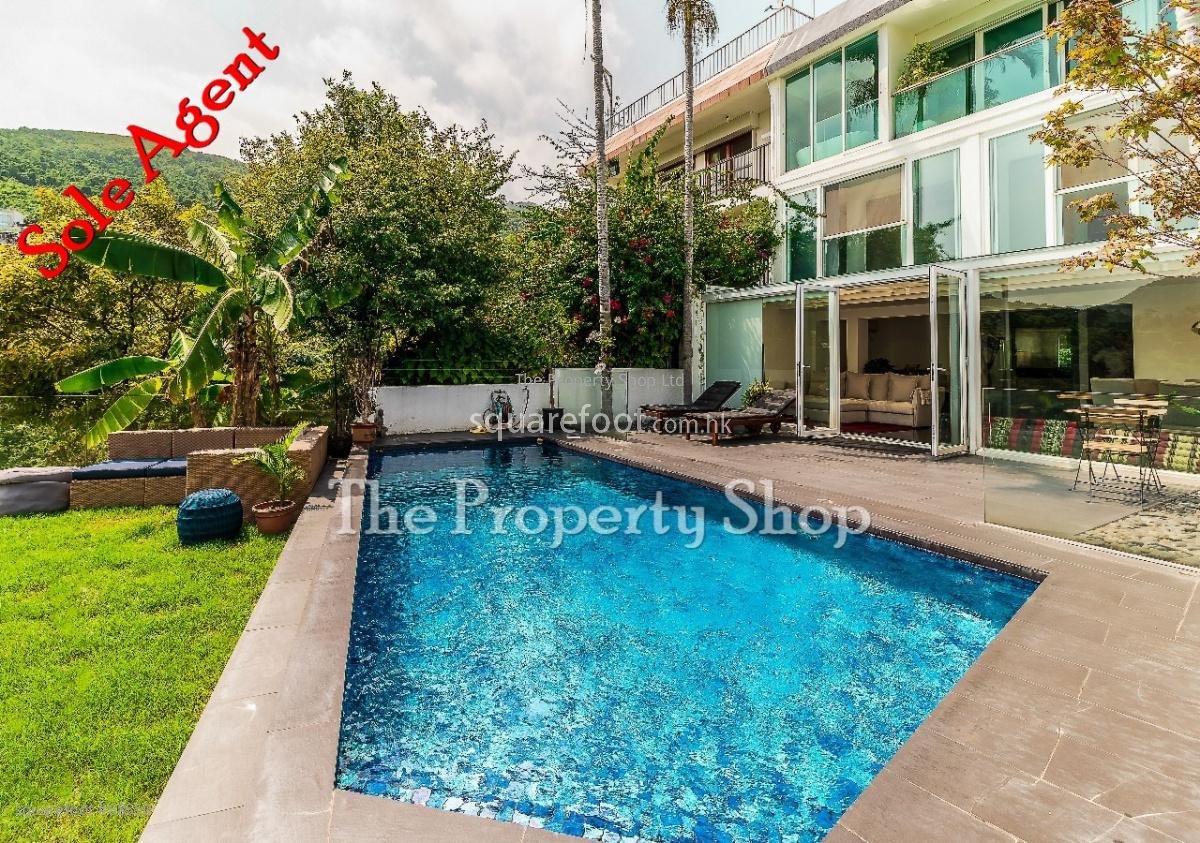
Even if you are planning to live in your new home for the long-term, always bear in mind that good characteristics make an on-sell easier. For example, new property developments are highly in tune with the growing trend of leading an active, healthy and balanced lifestyle, so if you can afford to pay a premium, look for buildings that offer exclusive amenities such as swimming pools, gyms, saunas, exercise facilities or spas.

The availability of such facilities can often perk the interest of a potential buyer even before they see your flat.

Check the location


List of factors to consider:
  • What will the commute to work/school/areas of interest be like?
  • Is there good access to public transport and transport links?
  • Are there other attractive amenities such as supermarkets/malls nearby?
  • Proximity to medical facilities is important in times of emergency

Check for other potential developments in the area


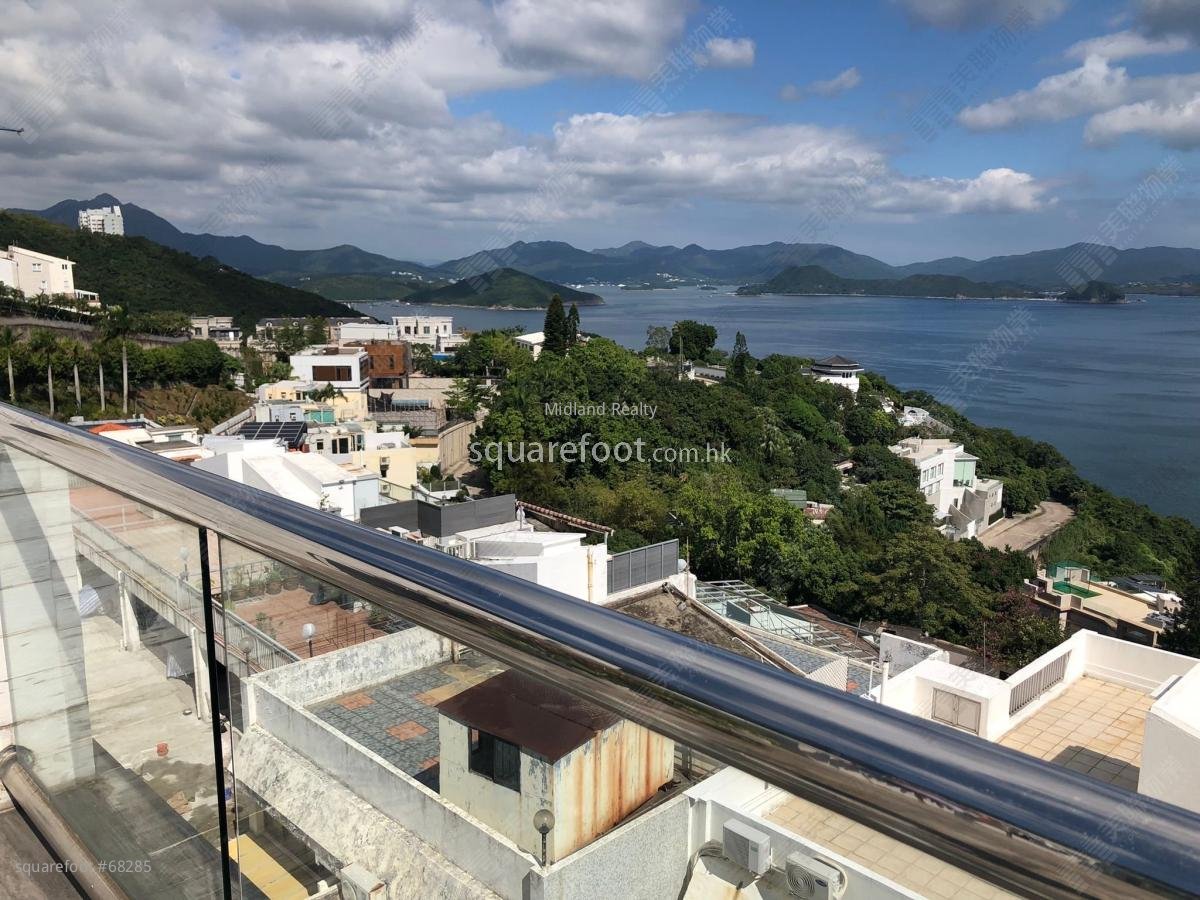
In a city with as much development as Hong Kong, that sea view you’ve just paid a premium for may not be there in two years’ time. Always check that there are no new developments planned for your neighbourhood in the next few years that can alter the value of the property. For example, a night club, noisy restaurant, a school and MTR station can all change the value of your property for better or worse.

Determine whose name the property will be in


Be clear of whose name will be used to buy the property before signing the provisional sale and purchase agreement. A change in the buyer’s identity will be treated as a different transaction. Buying through a company could give you tax advantages, but you should also take into account the additional costs involved in maintaining a limited company.

Read more on tax issues

Make changes to the exterior building with caution


You may be tempted to knock down an external wall and install floor-to-ceiling windows, but bear in mind that this might be illegal, even if another resident has already done the same thing. Remember that restoring the original features will be both time-consuming and costly. Check before you knock the walls down.

Use a lawyer as a stakeholder for your deposit


After you’ve signed the provisional sale and purchase agreement, you will typically pay a five per cent initial deposit, either to the seller or his lawyer. Always choose the latter option as ensuring that the funds are held by a third party will make them easier to recover if necessary.

Check for any planned work to the building


Older buildings might have upgrading plans in the works, which could mean anything from covering the exterior for months with scaffolding to major financial contributions. Check with either the incorporated owners committee or the management company.


Total 0.080s / 5 Disk 0.034s / 2 SQL 0.000s / 0 HTML 0.033s / PHP 0.012s